Measurable ecological work
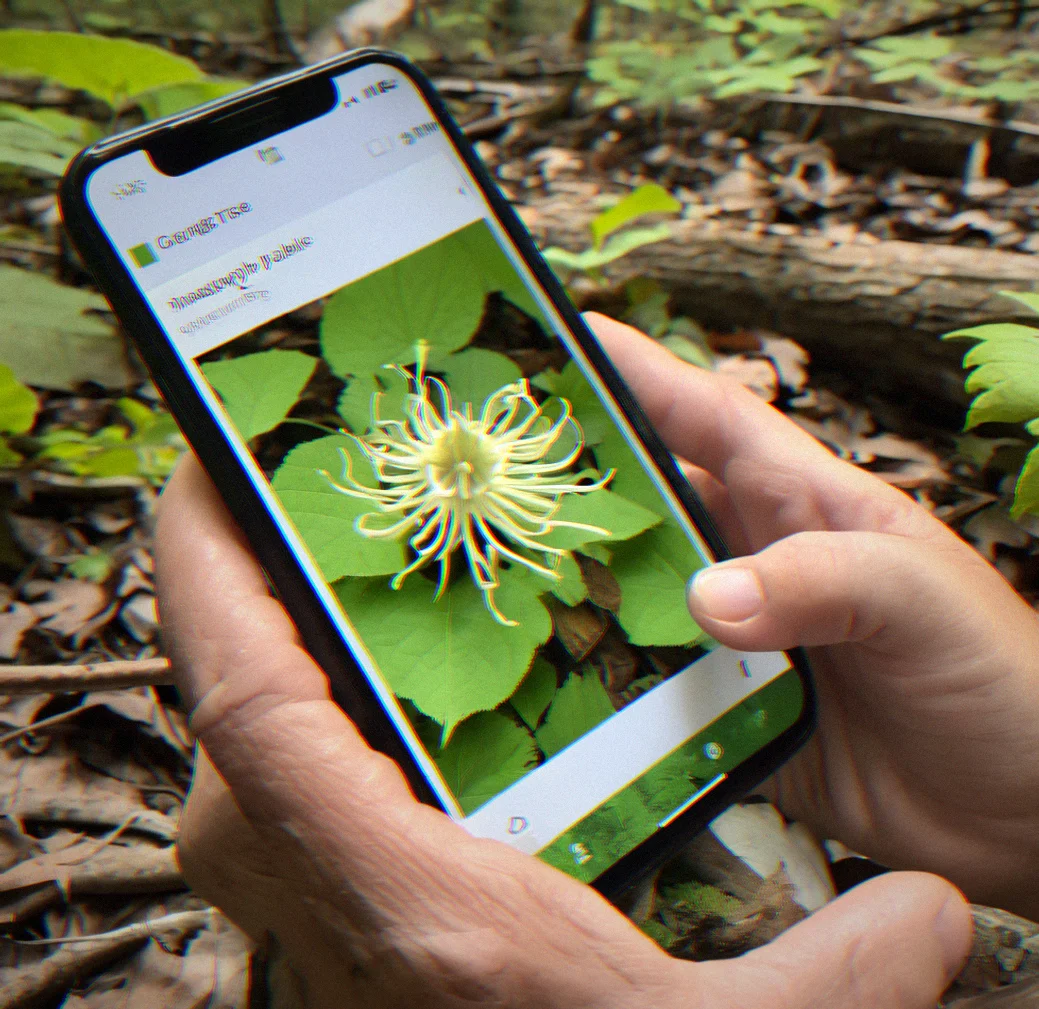
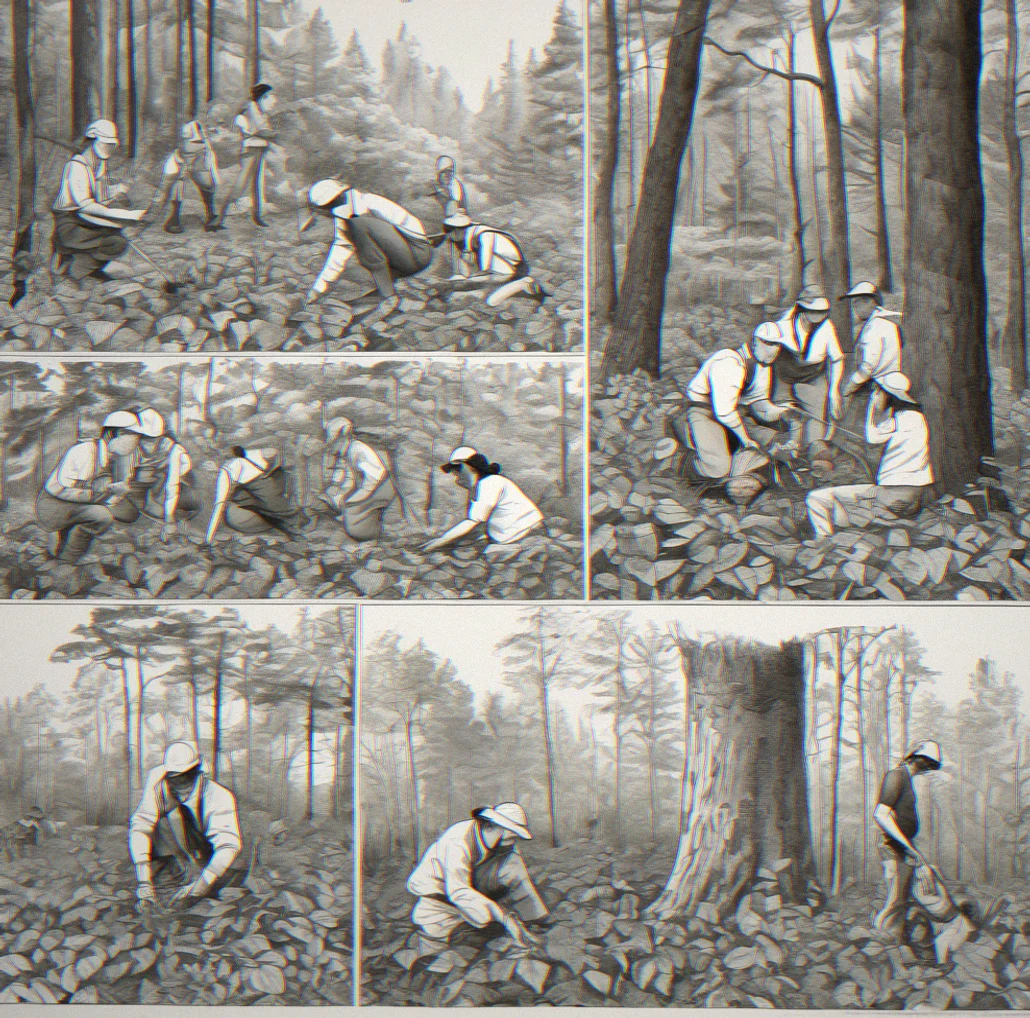
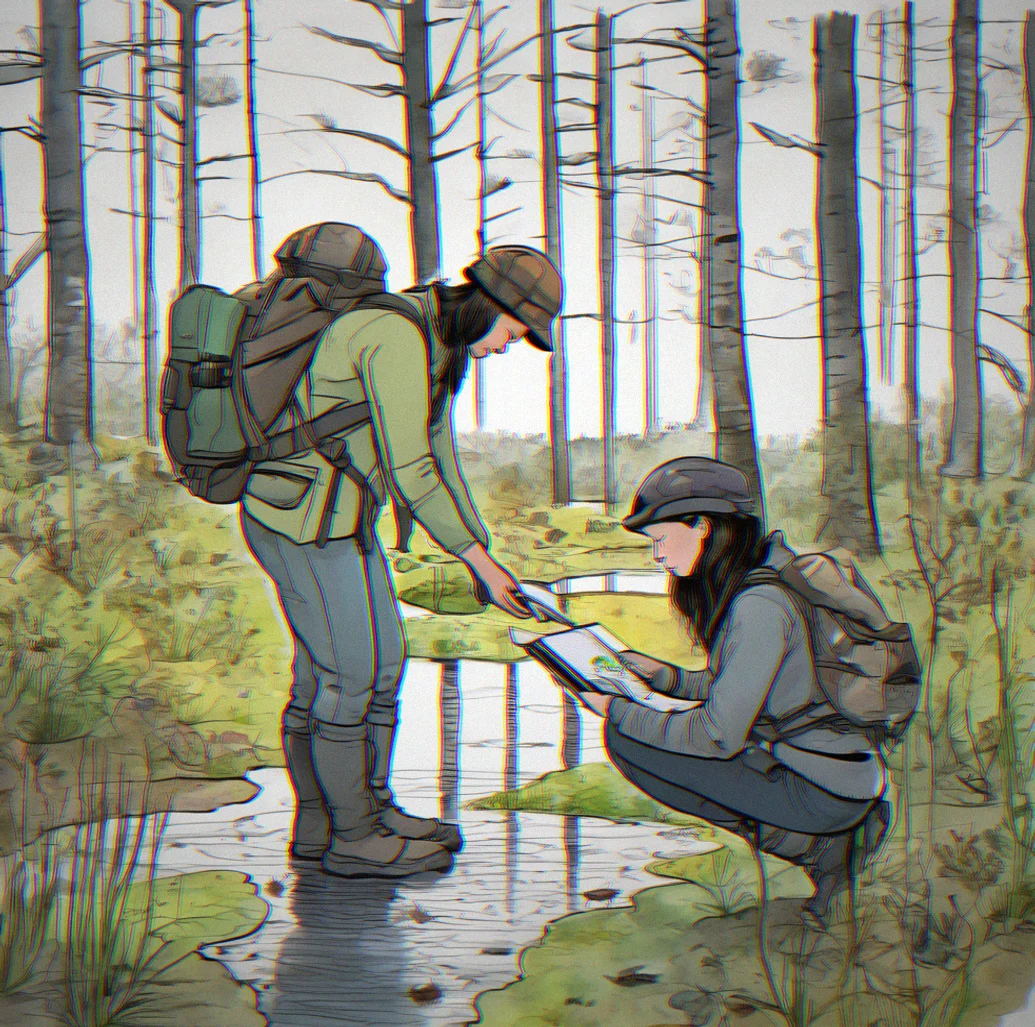
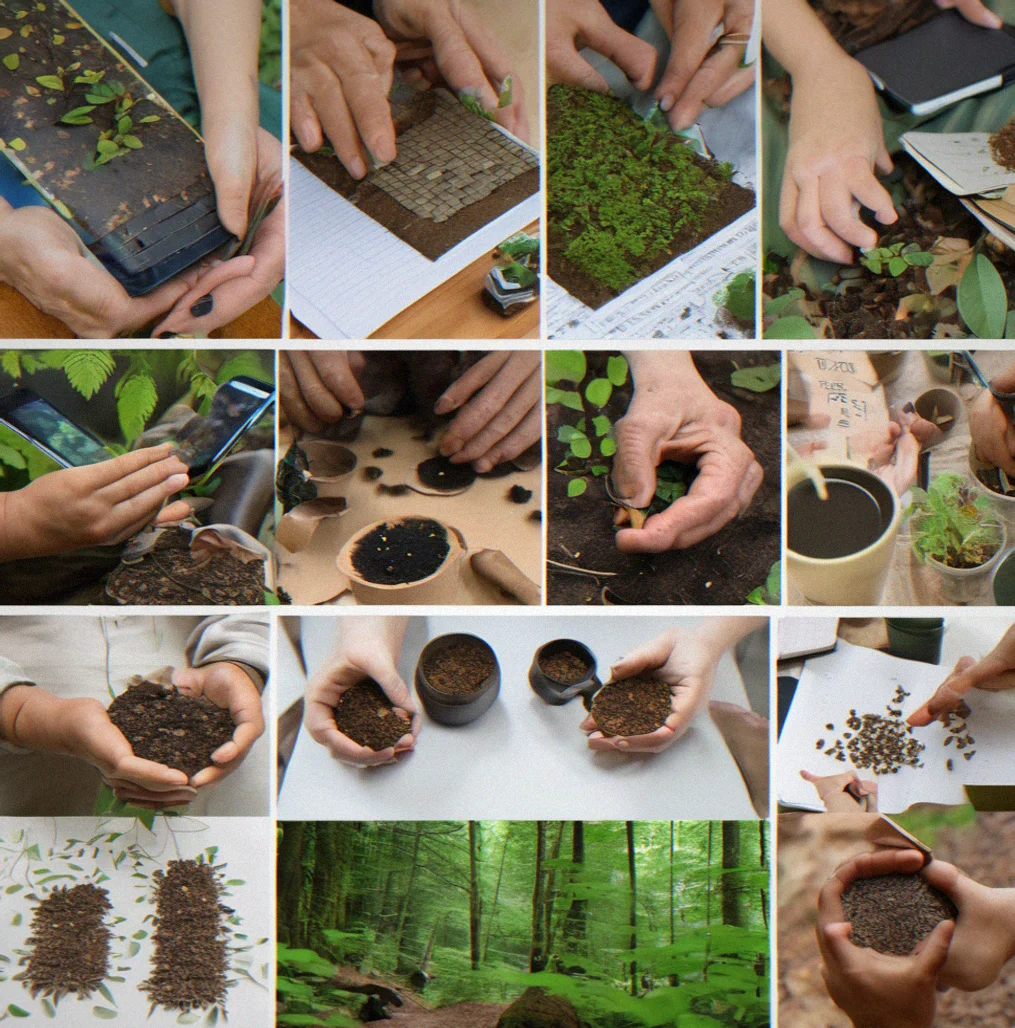
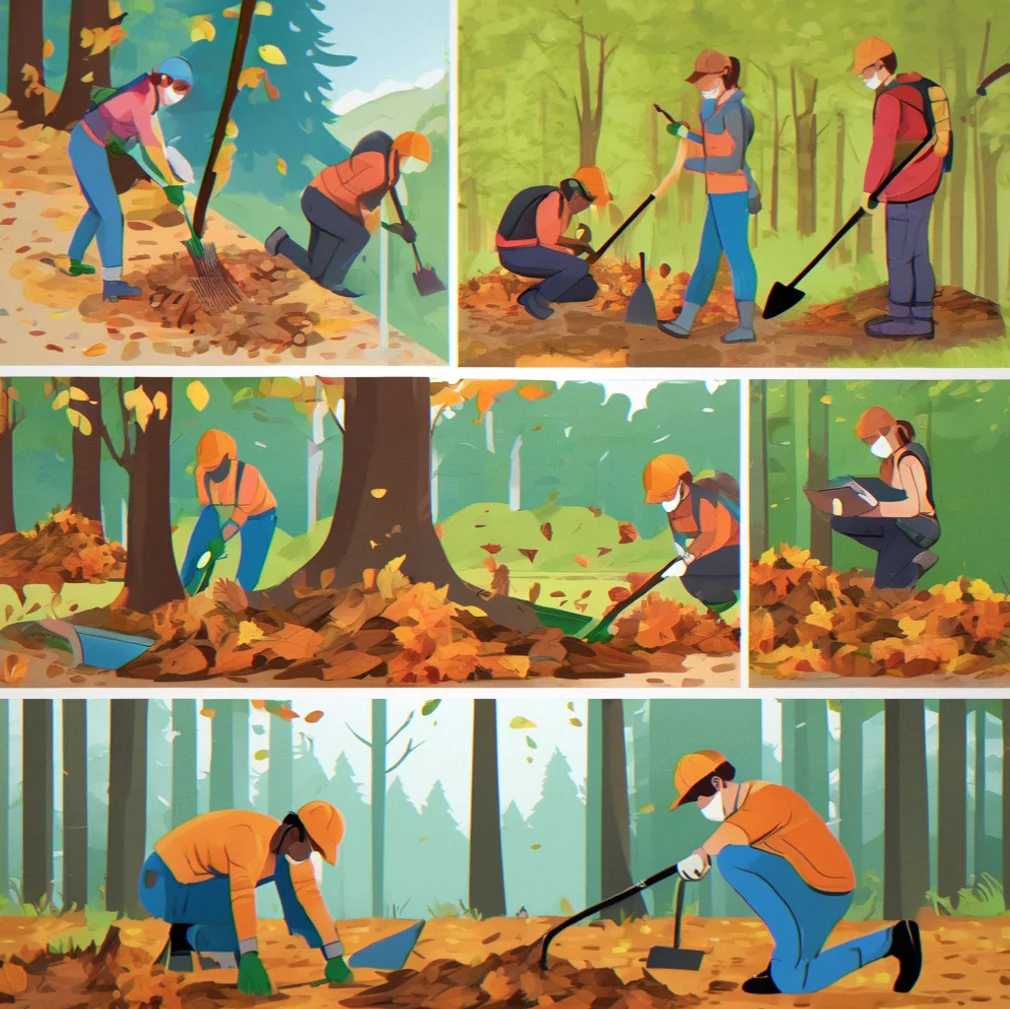
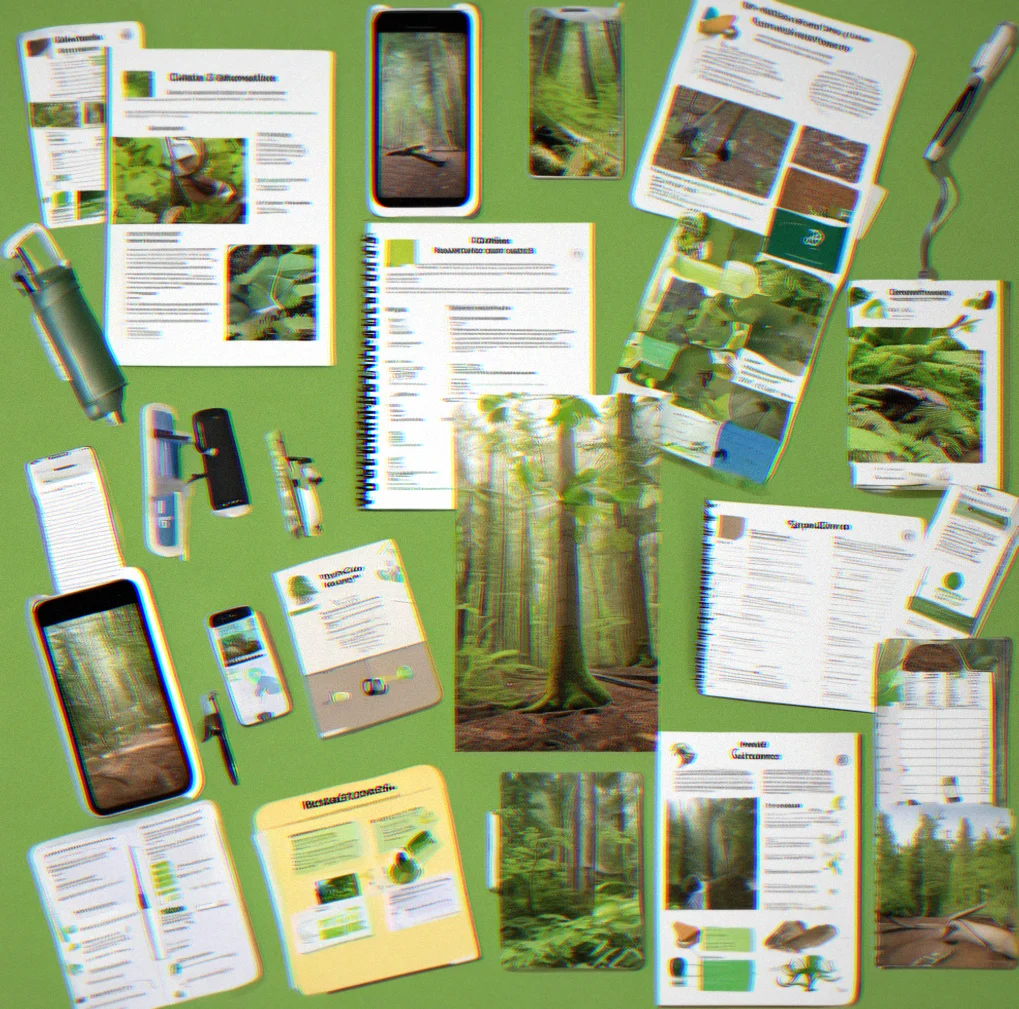
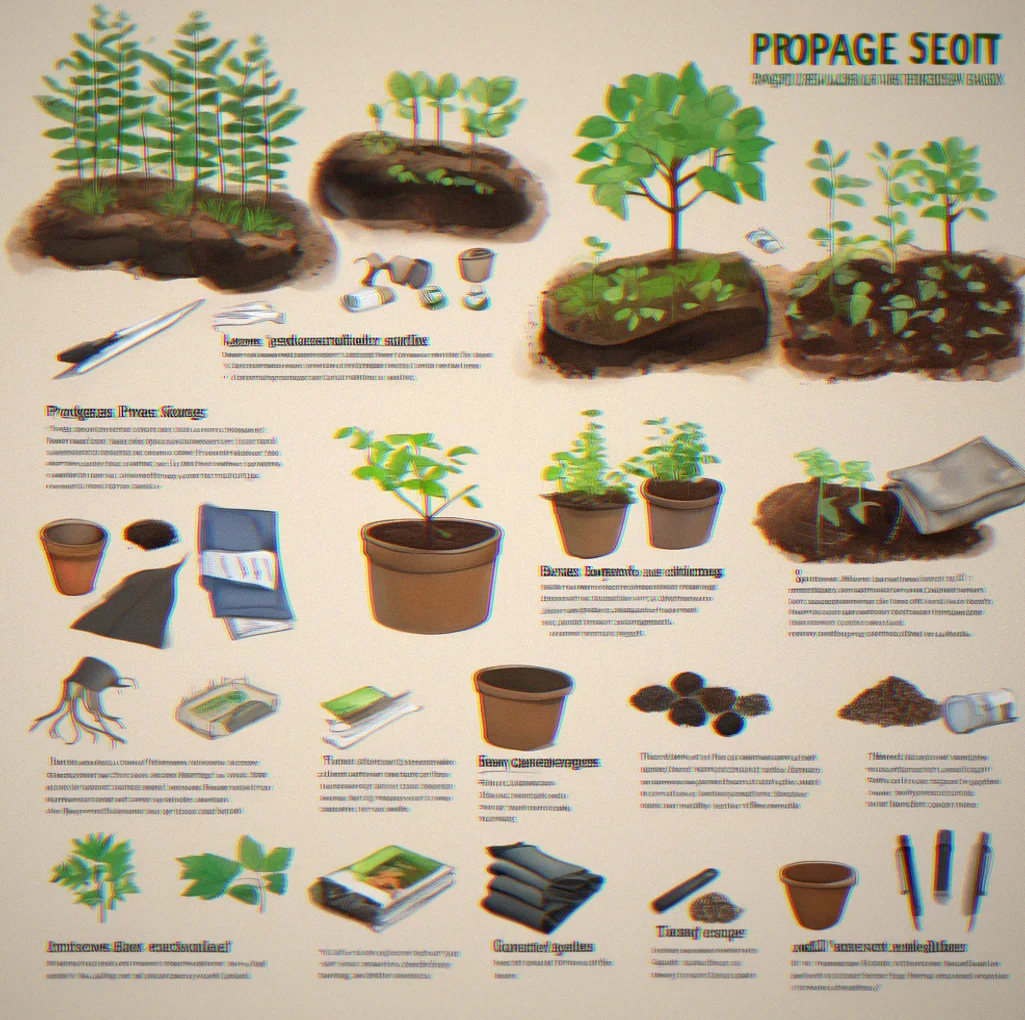
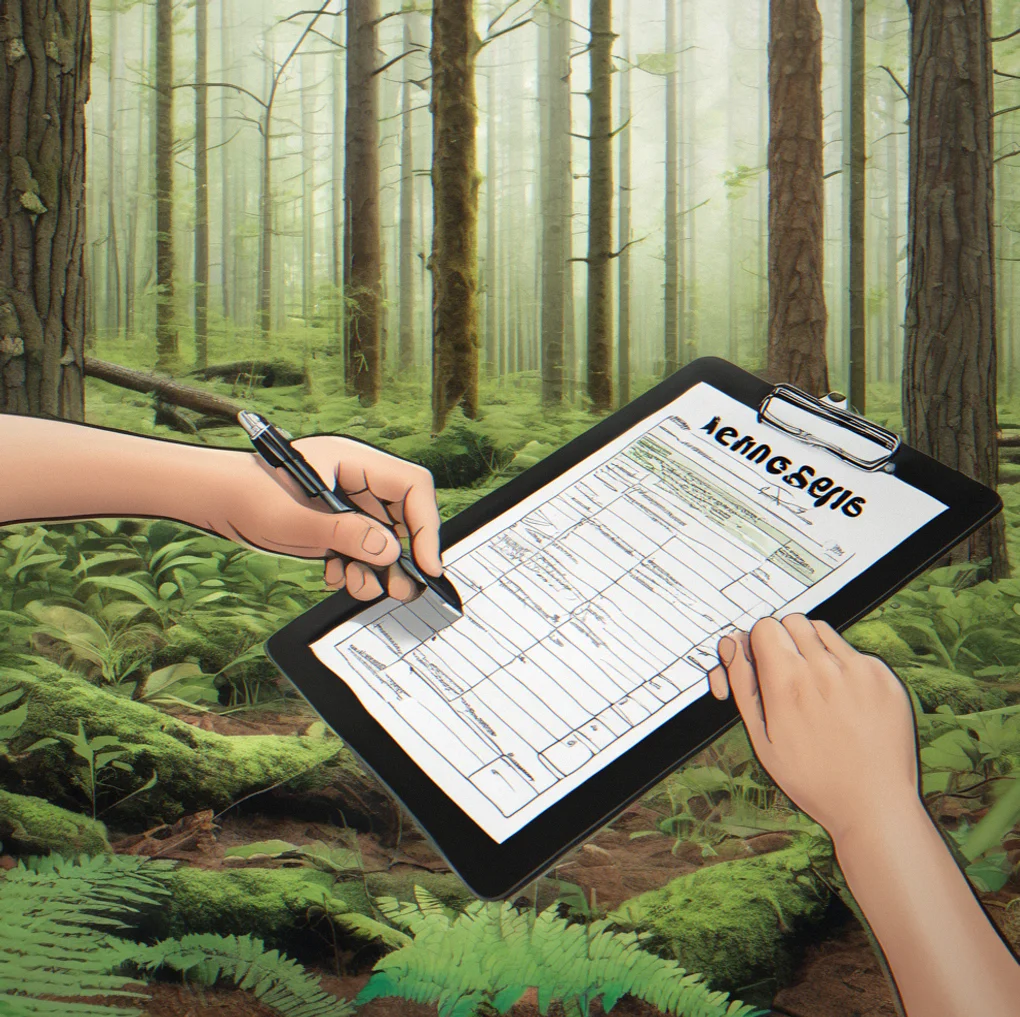
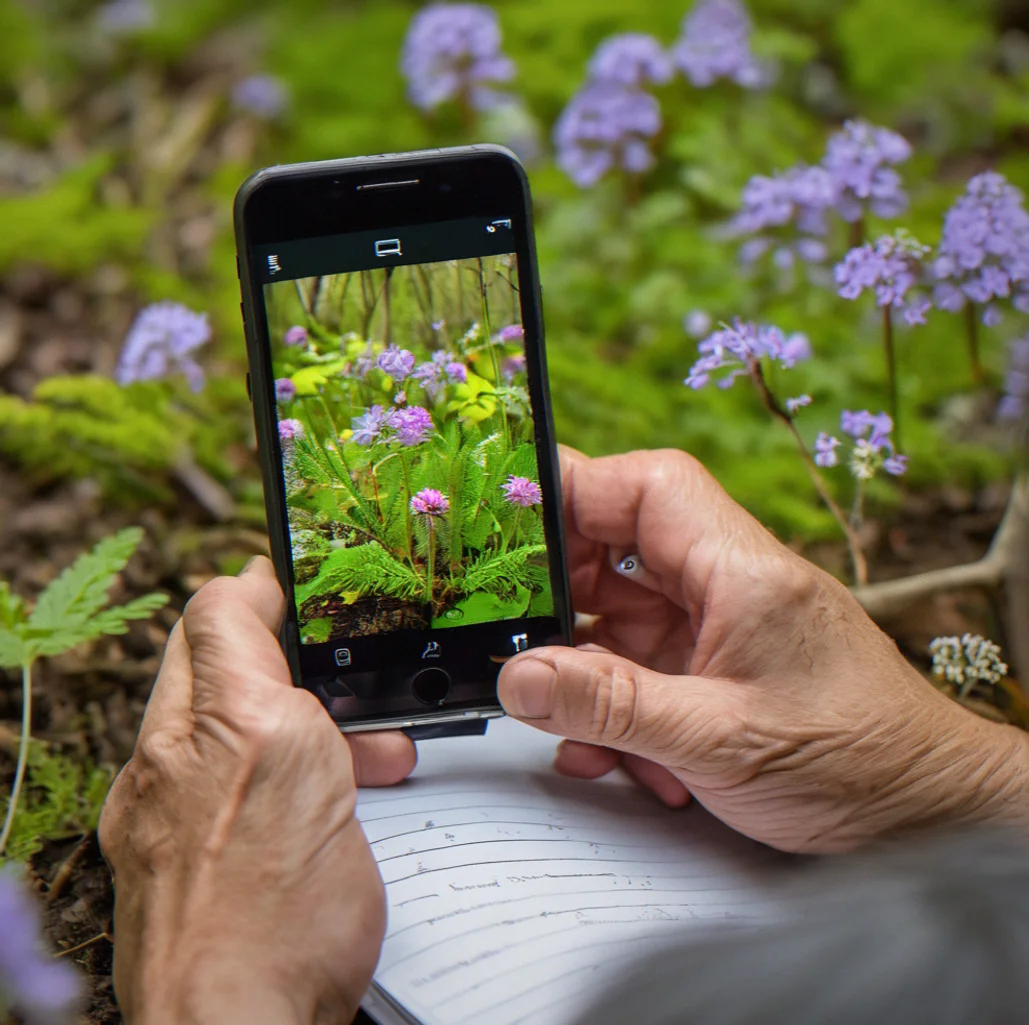
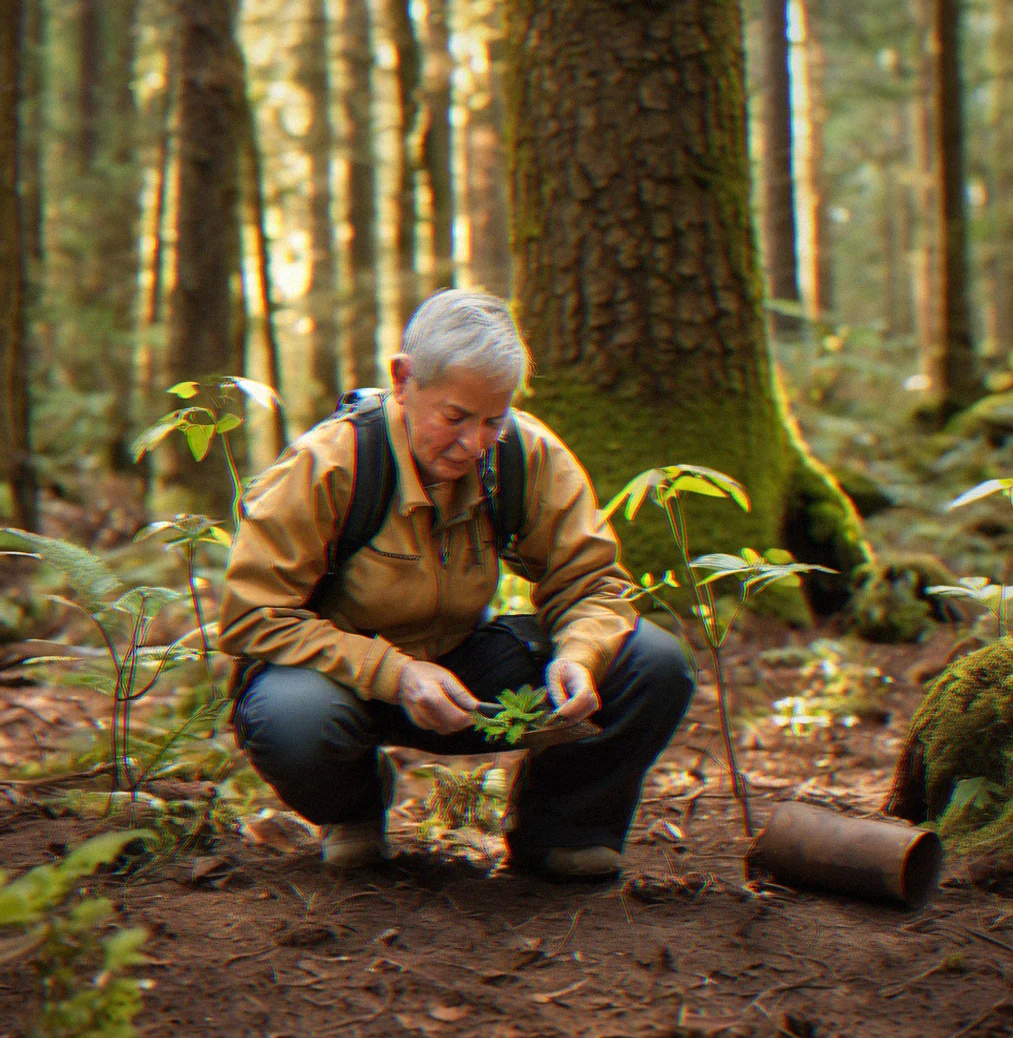
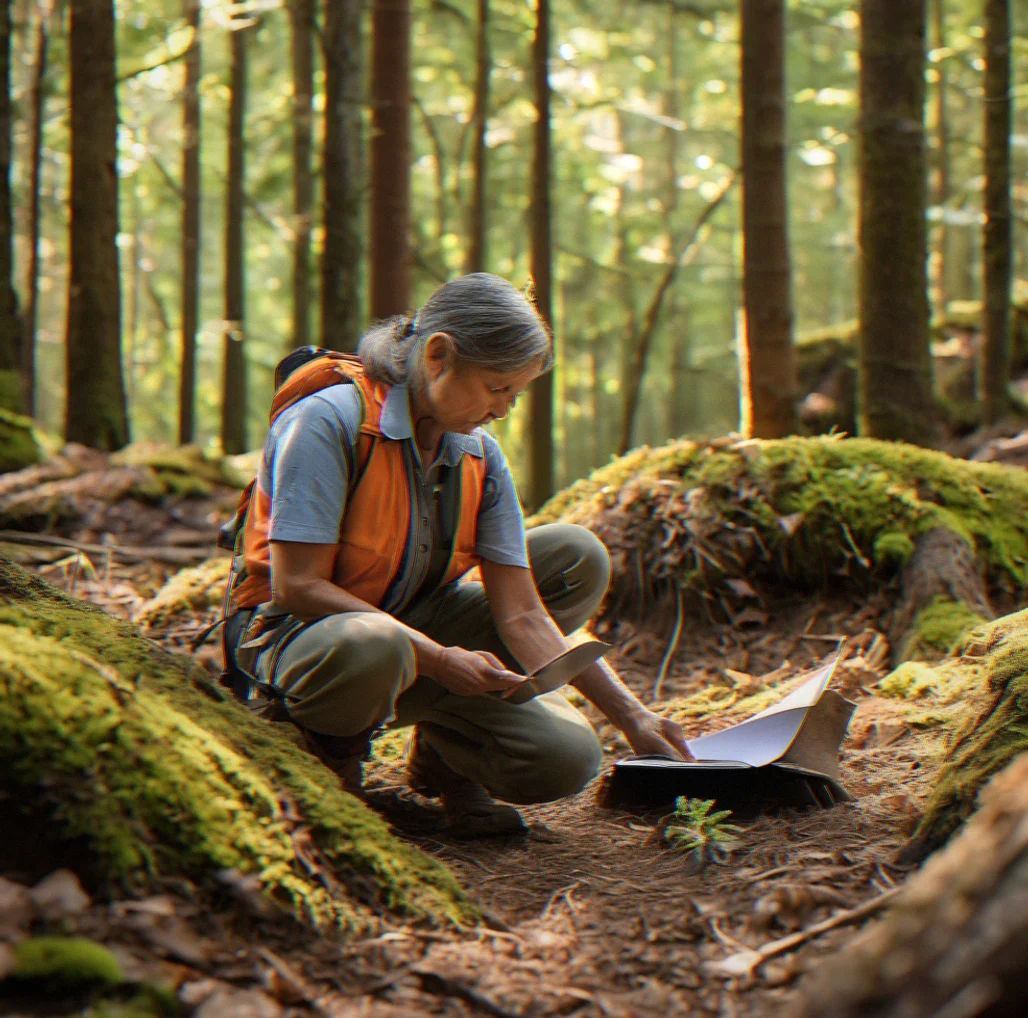
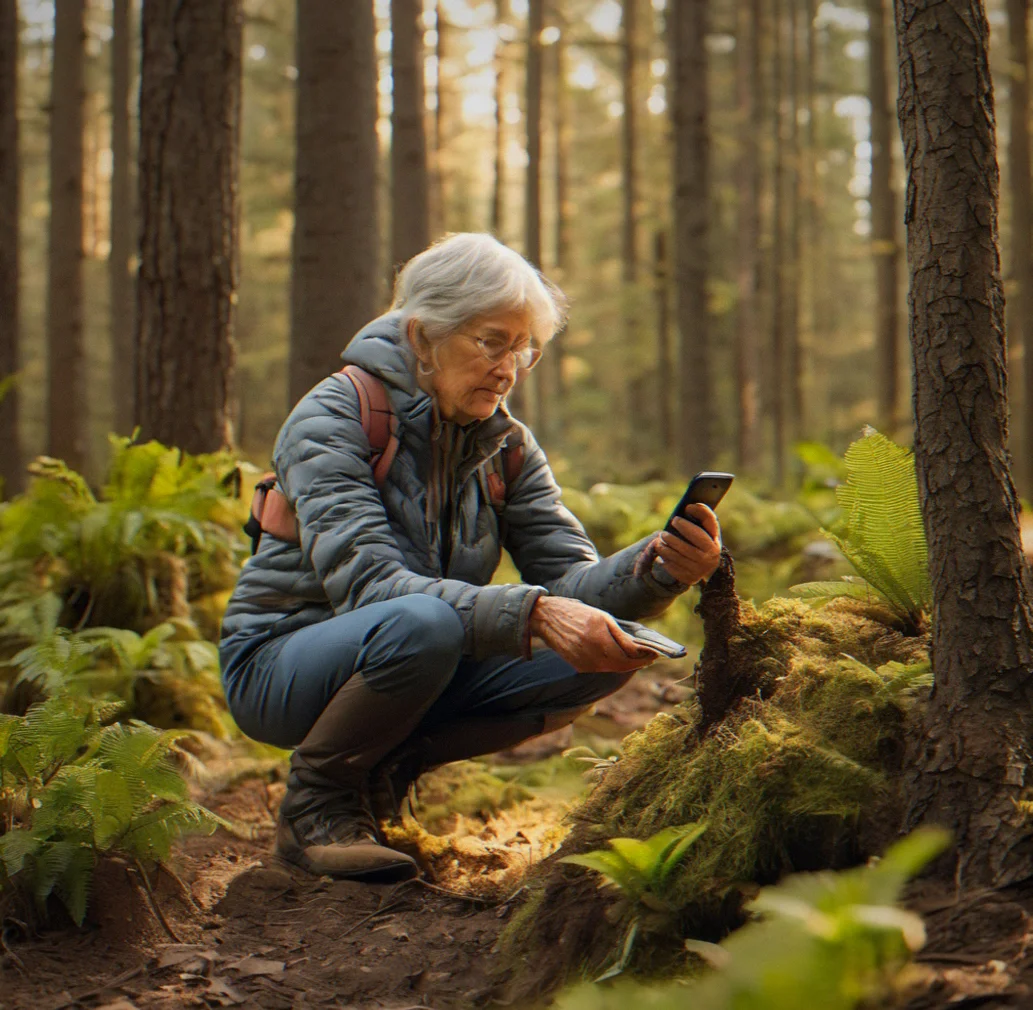
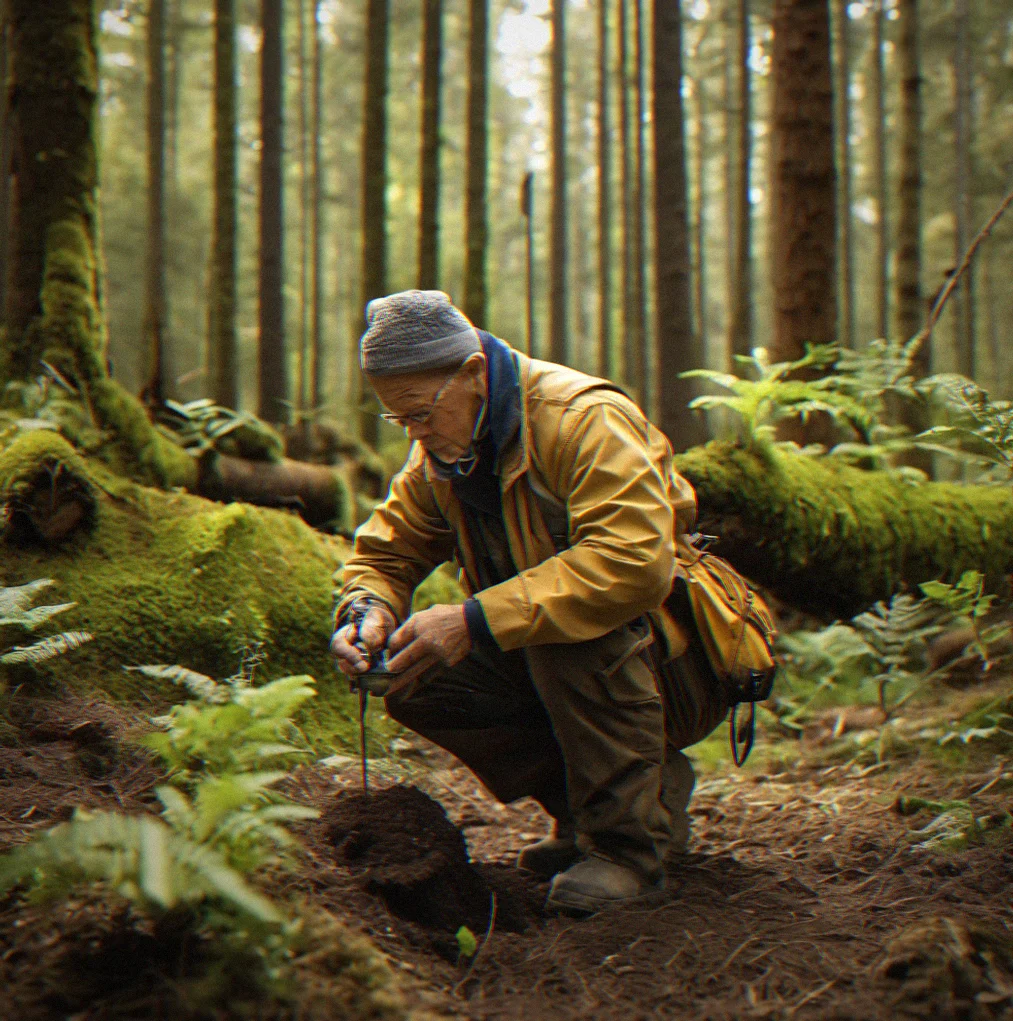
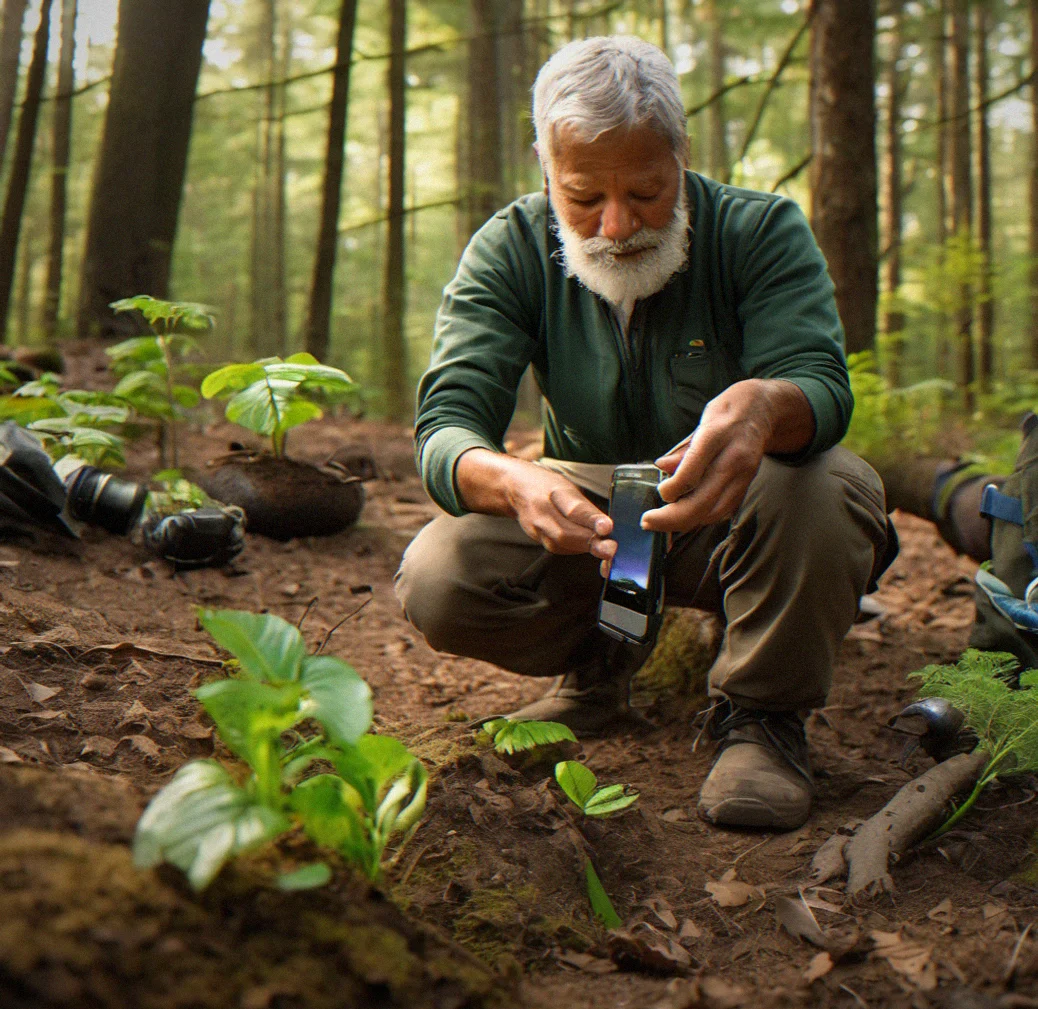
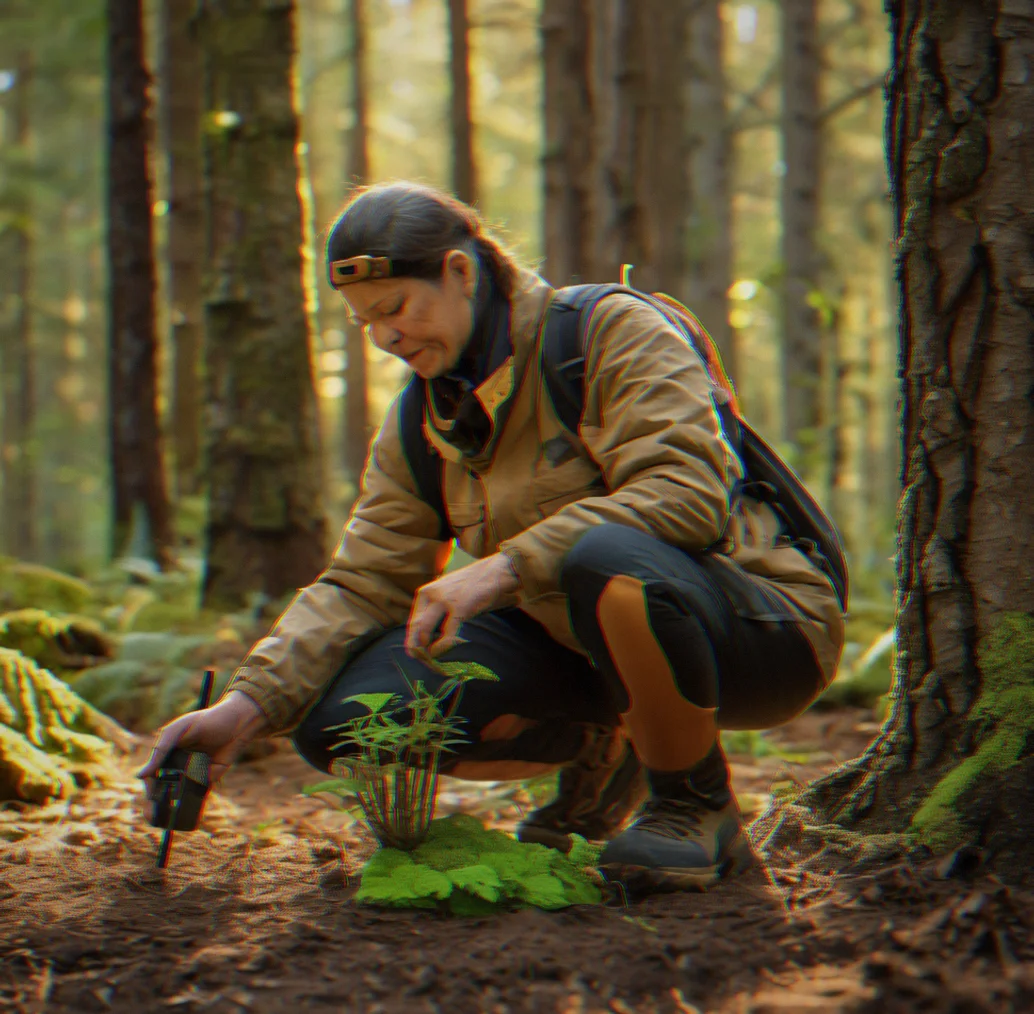
What's the point of going outside if nothing actually changes? Missions create real data. You log observations to iNaturalist, clear invasive honeysuckle off acres of land, propagate hundreds of native seedlings. This isn't just hiking around. You're feeding records to Audubon, helping land trusts build restoration plans, adding to actual conservation databases that matter.
Skill stacking you can use
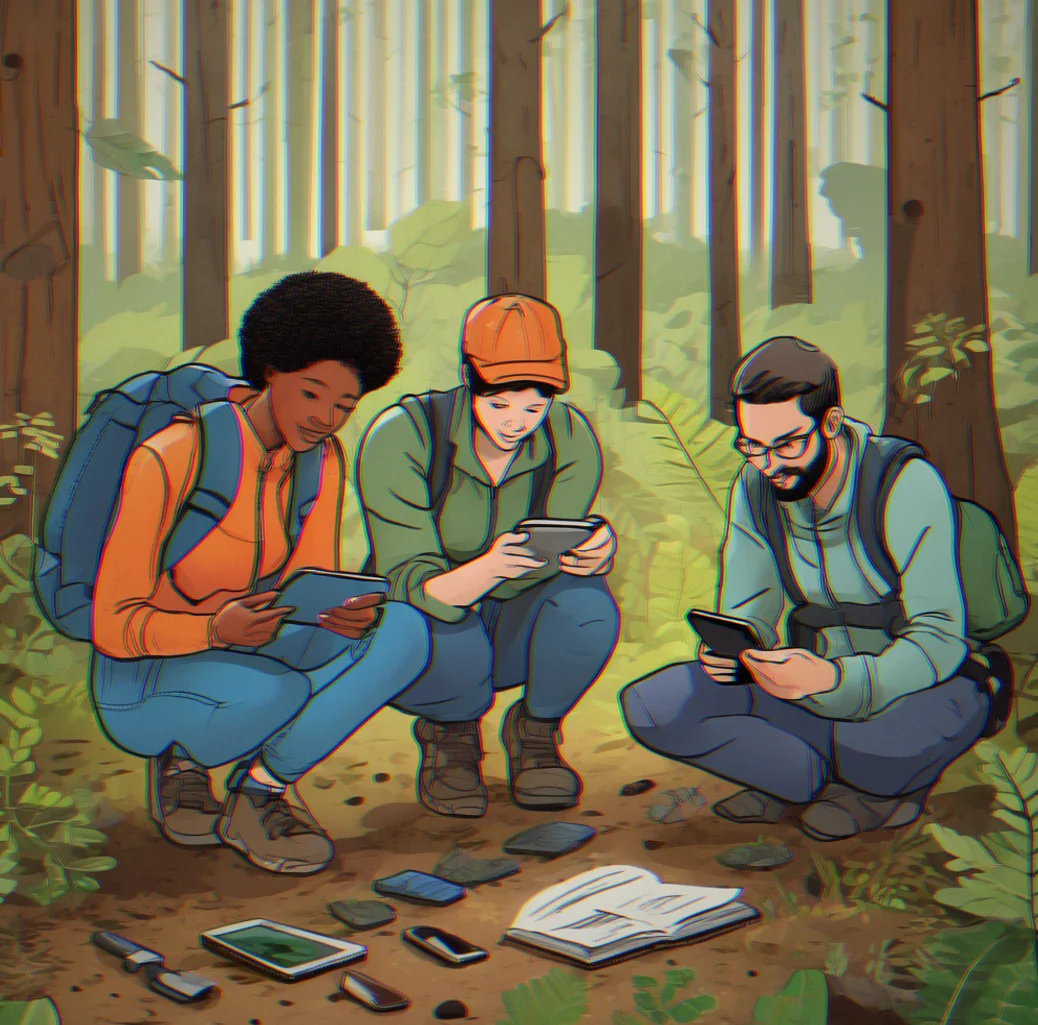
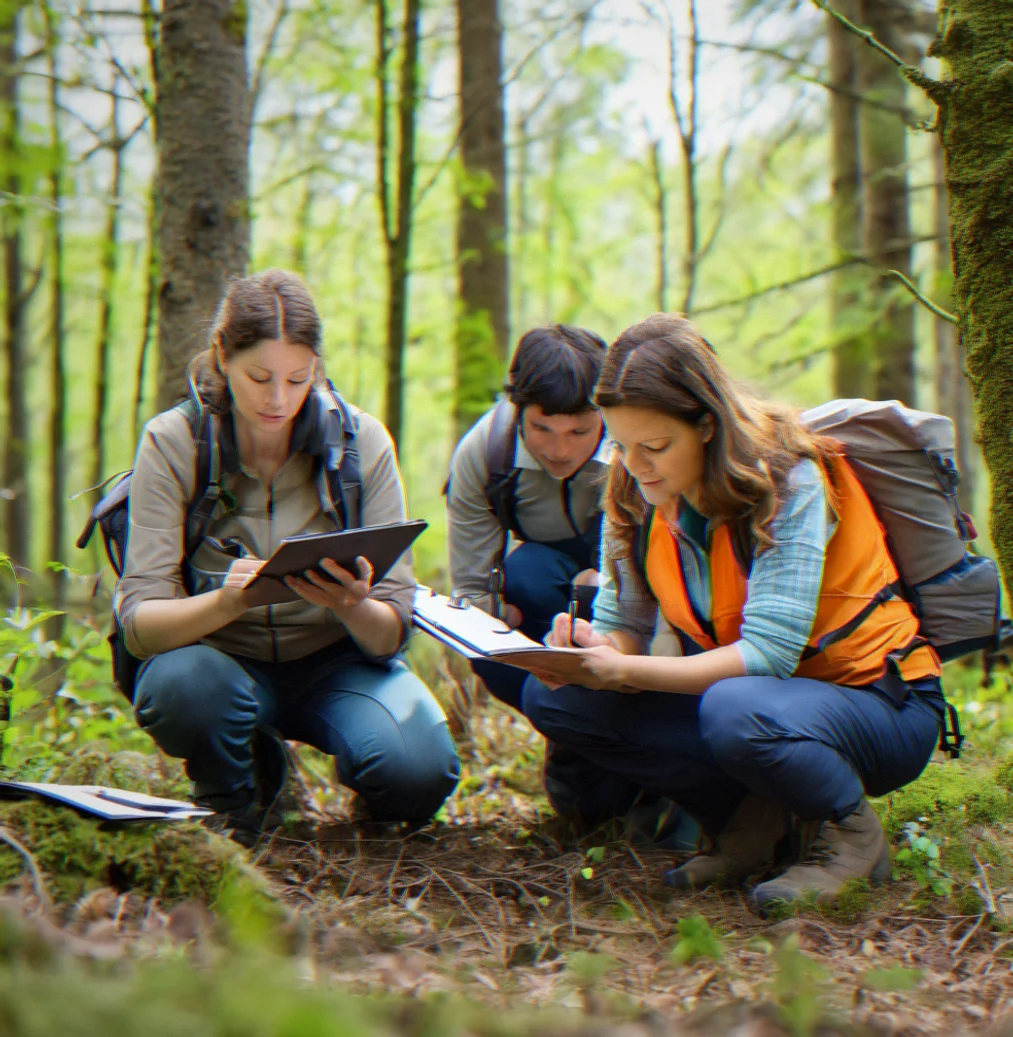
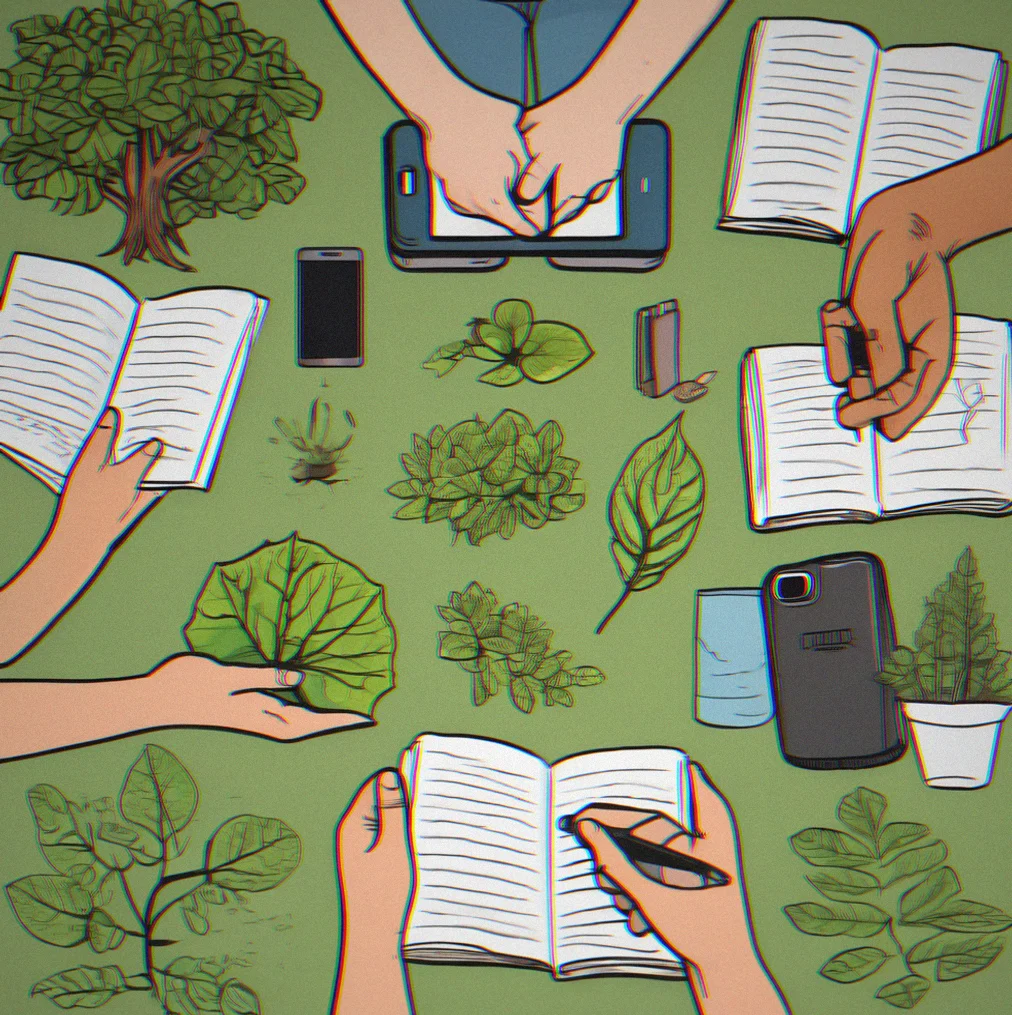
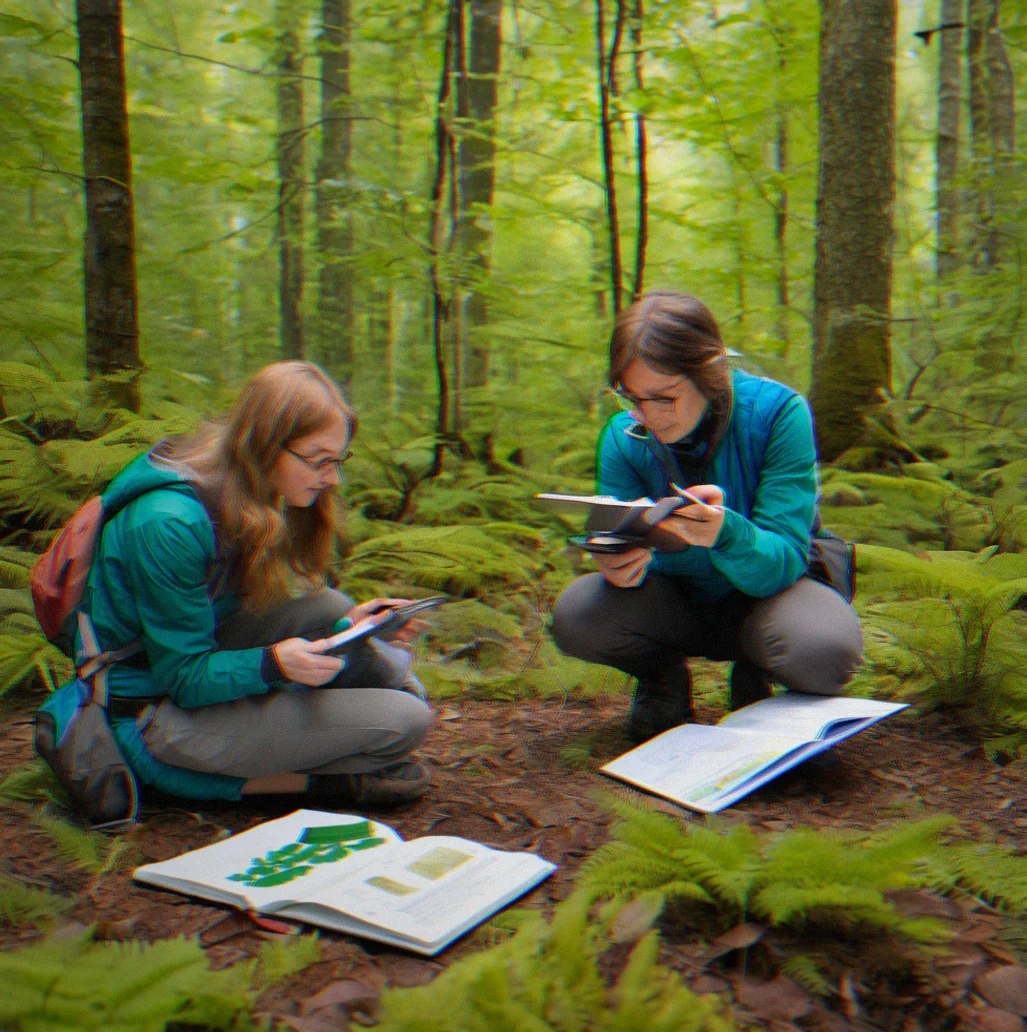
Why head out there if you're not picking up anything useful? You learn plant identification, field sampling, how to use data collection apps, habitat assessment. Skills stick when you're actually doing them in the field, not reading about them online. By the time you've done six missions, you're past the beginner stage.
Stress reduction through focus
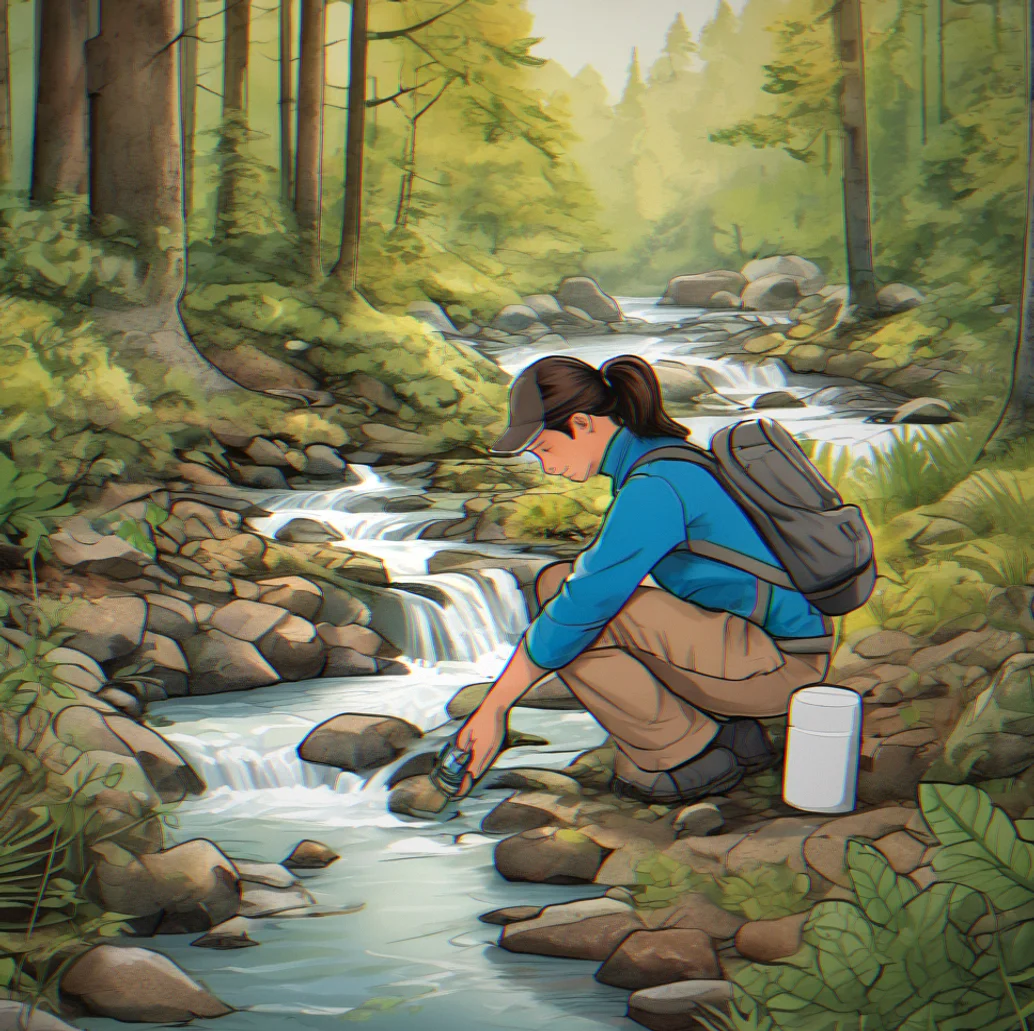
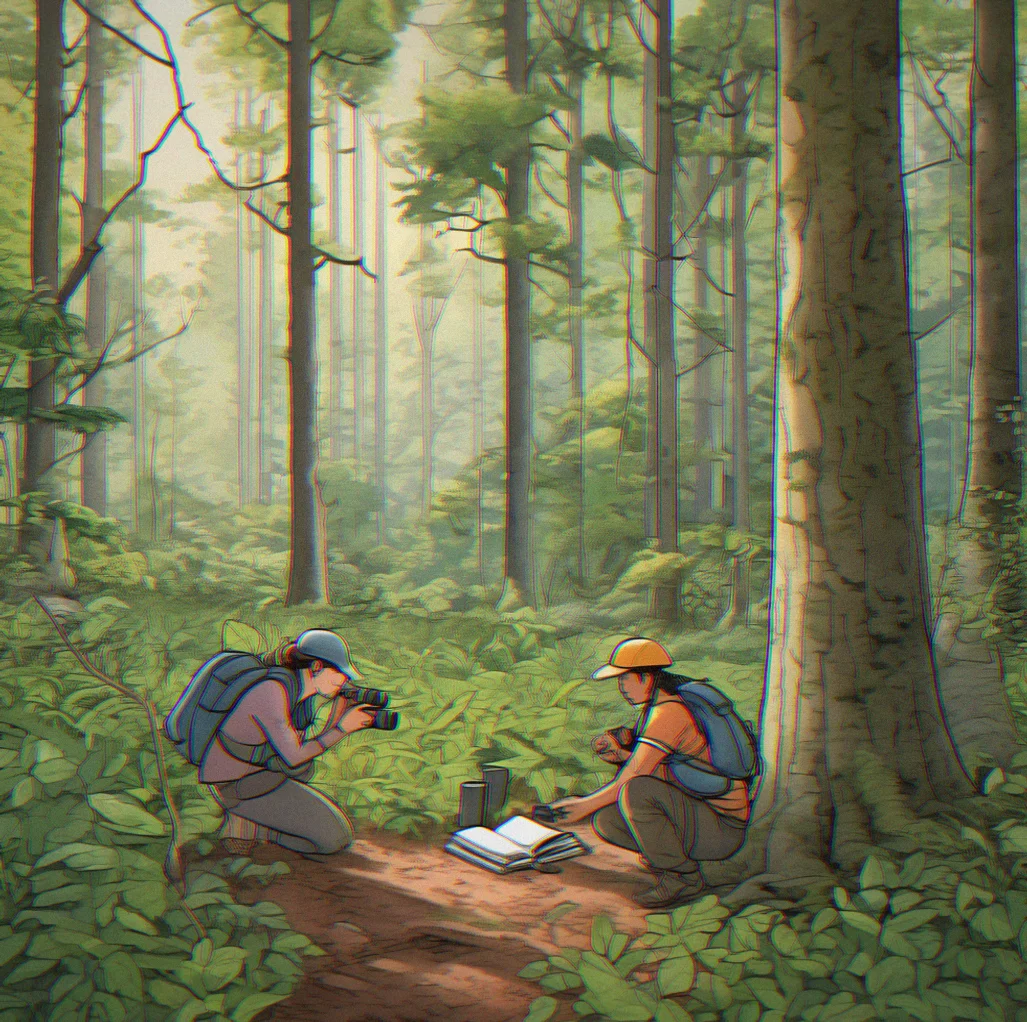
Forest bathing is fine if sitting quietly is your thing. Your nervous system actually calms down faster when you're zeroed in on something concrete—finding a species, measuring out a plot, pulling up an invasive plant. The calm comes from being engaged, not from trying to force yourself to relax. The work itself becomes the relief.
Community built on action
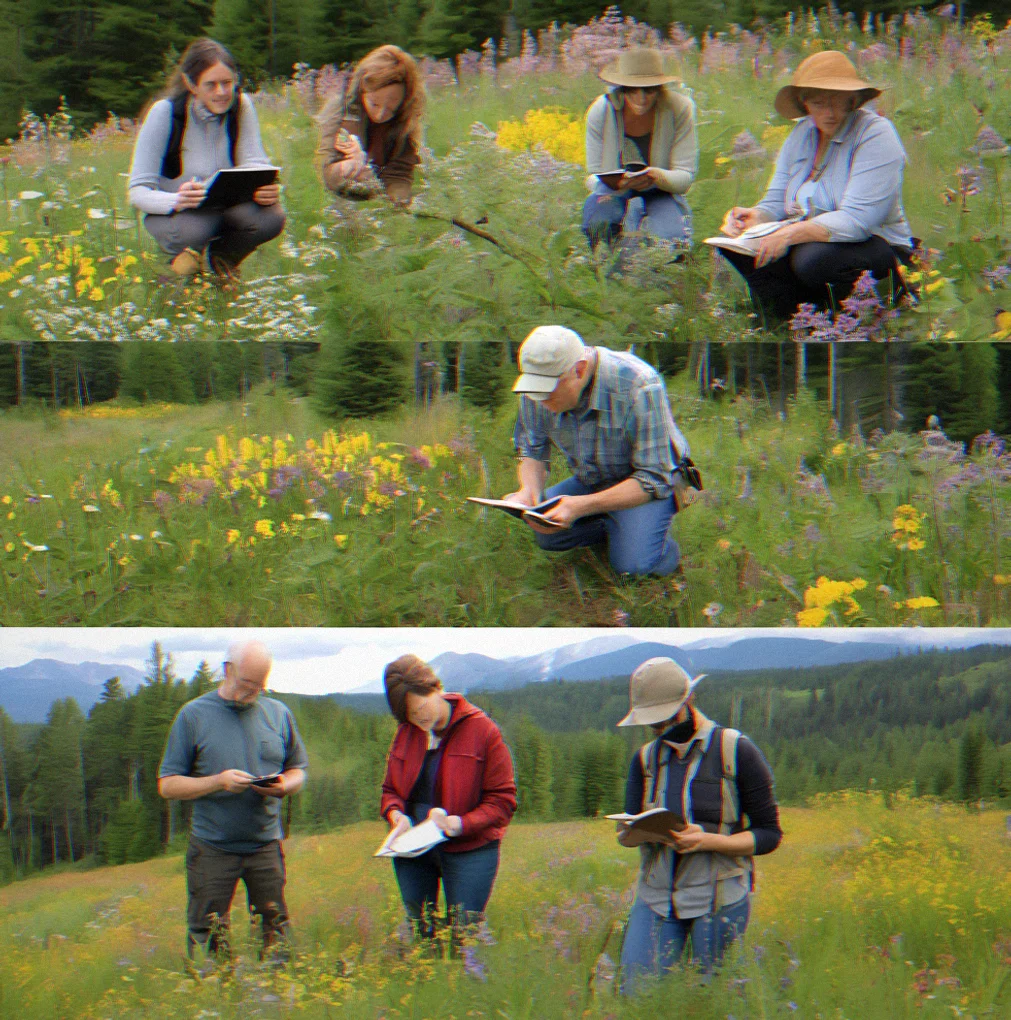
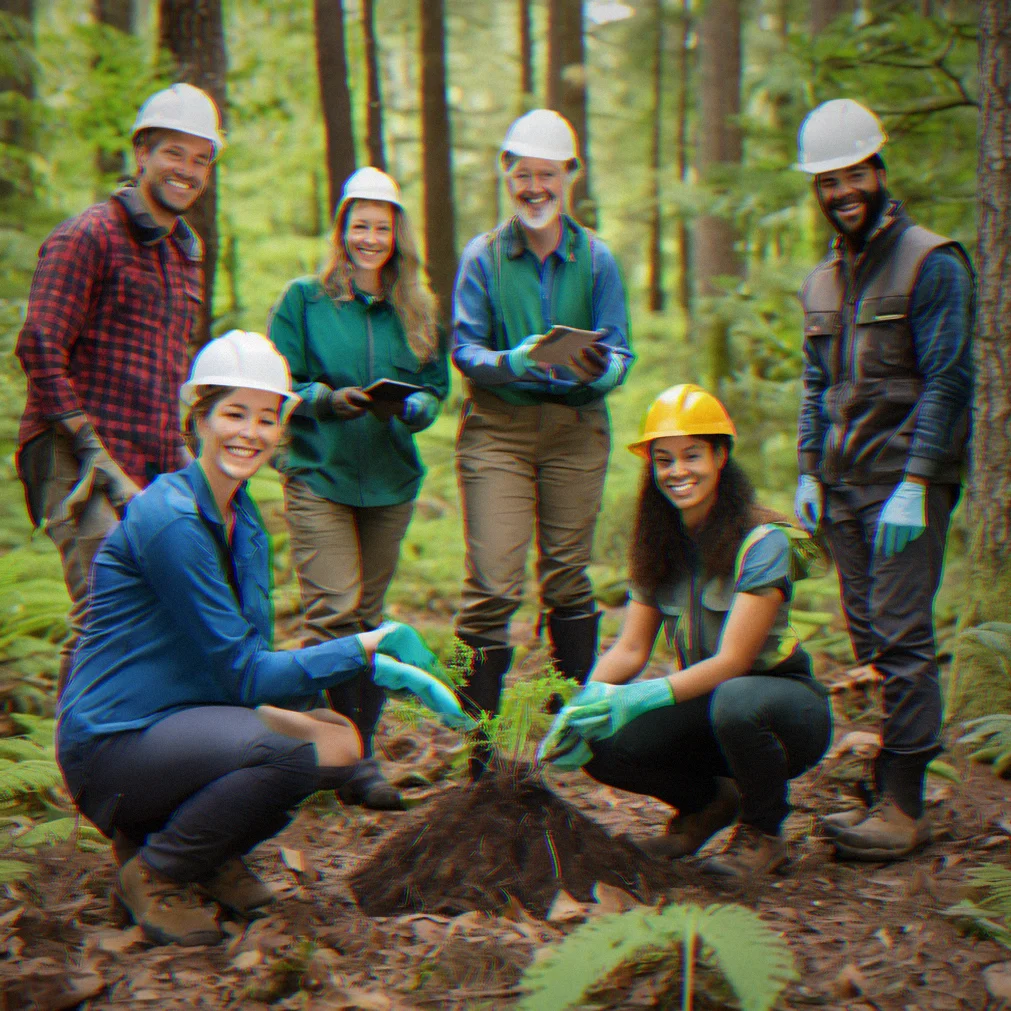
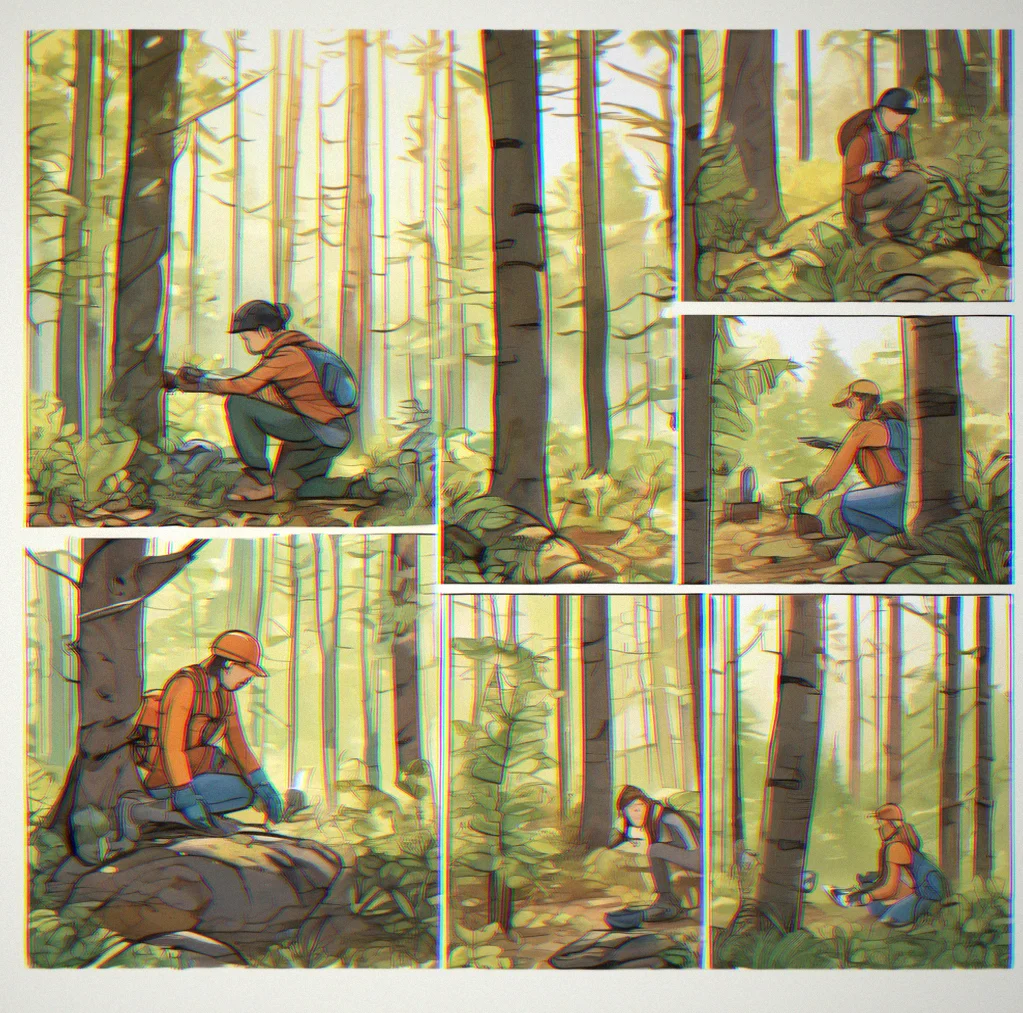
Hiking with people you just met doesn't usually feel like belonging. But spend a season working with the same handful of people, pulling invasive plants and figuring out field problems together—that actually builds something. Same faces showing up, shared hard work, real conversations. You end up texting about plants.
Structure that keeps you showing up
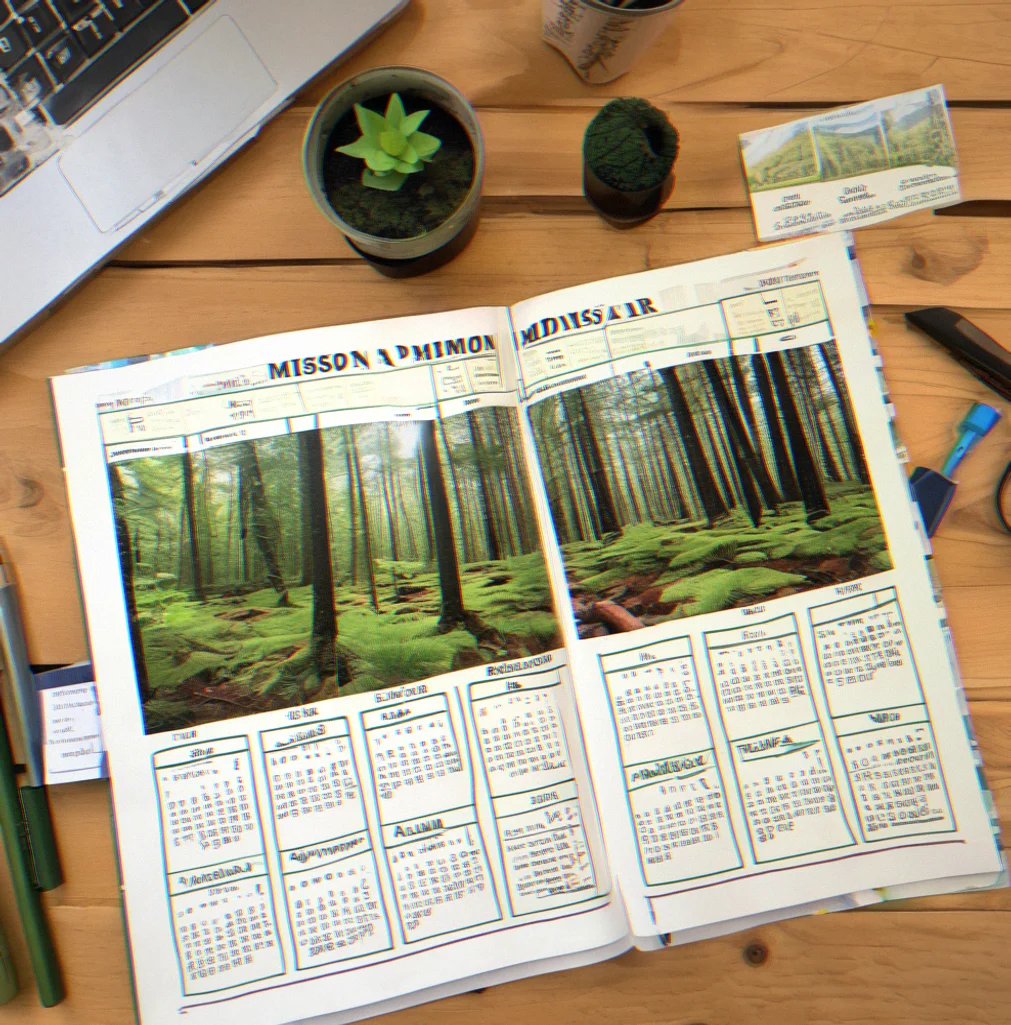
Motivation burns out fast. A calendar invite, teammates counting on you, a set time and place—those stick around. You'll think about the couch way more than you'd like. But when Tuesday evening comes and you've committed to surveying a vernal pool with four other people, you show up. The structure does the thinking for you.